


Why Shaving Still Irritates Your Skin (And What Actually Fixes It)
Razor burn and ingrown hairs get blamed on sensitive skin, or bad luck, or just being "prone to it." Usually, it's none of those. It's one of three things happening during the shave itself. Once you know what they are, most of the discomfort is avoidable.
It's worth pausing on why that matters beyond comfort. A shave that irritates is a shave that's rushed, or fought with, rather than one that feels good to do. Understanding what's actually happening under the blade is part of what turns shaving from a task into something closer to a ritual: a few minutes where the tool works with you instead of against you.
The three real causes
Pressure. Pressing the razor into the skin does two things. It compresses the surface, and it lets the blade cut below where hair naturally sits. Both increase the odds of irritation and ingrown hairs. Most people press harder than they need to, often without noticing, because the razor they're using needs it. A dull blade, or a multi-blade cartridge dragging against the skin, only cuts well with force behind it.
A dull or crowded blade. Cartridge razors solve for a "closer shave" by stacking three, four, five blades in a row. Each one tugs the hair slightly before cutting it, and each pass adds friction. A dull blade makes this worse. It doesn't cut cleanly, it drags, which means more passes over the same patch of skin to get the same result.
Shaving against the grain. Going against the direction of growth does cut closer, but it also pulls the hair and the follicle with it. That closer cut is often a hair cut *below* the skin's surface: exactly the setup for it to curl back in as it grows. This matters most anywhere hair grows in more than one direction at once, like underarms, bikini line, or the backs of the knees, where it's easy to cut against the grain without realizing it.
Individually, each of these is a minor irritant. Combined, a heavy hand, a dull multi-blade cartridge, and going against the grain for a "cleaner" look, they compound. That combination causes more razor burn and ingrown hairs than skin type or genetics ever do.

What actually helps
The fix isn't more product layered on afterward. It's removing the causes during the shave.
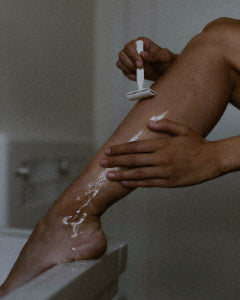
- Let the blade do the work, not your hand. If you're pressing, the tool isn't cutting well enough to be trusted without pressure.
- Shave with the grain first. If you want it closer, go across the grain on a second pass. Never fully against it, especially anywhere hair changes direction across the skin.
- Replace the blade before it's dull, not after you've noticed it dragging. By the time you feel resistance, you've likely been compensating with pressure for several shaves already.
Why we built the razor the way we did
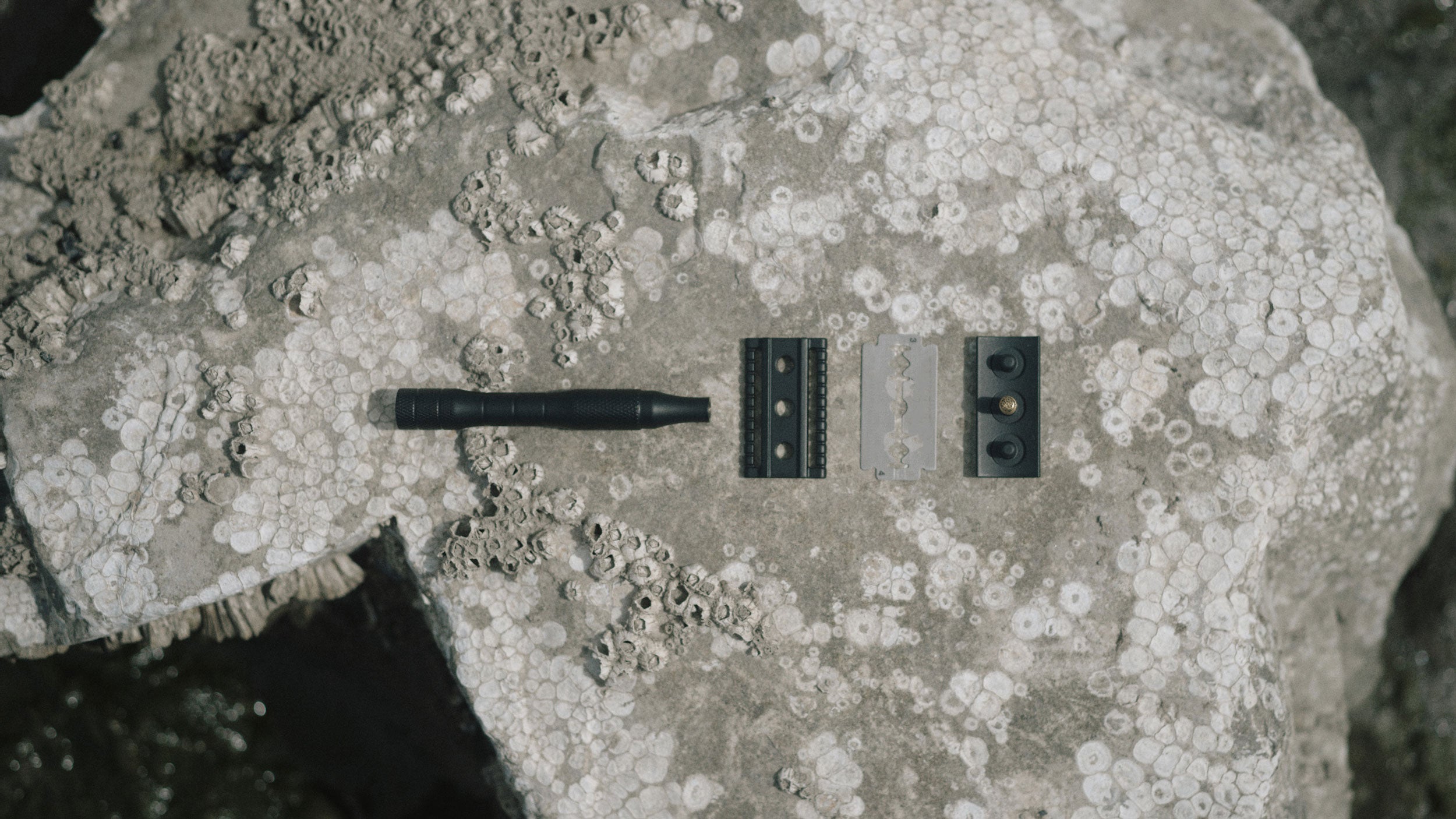
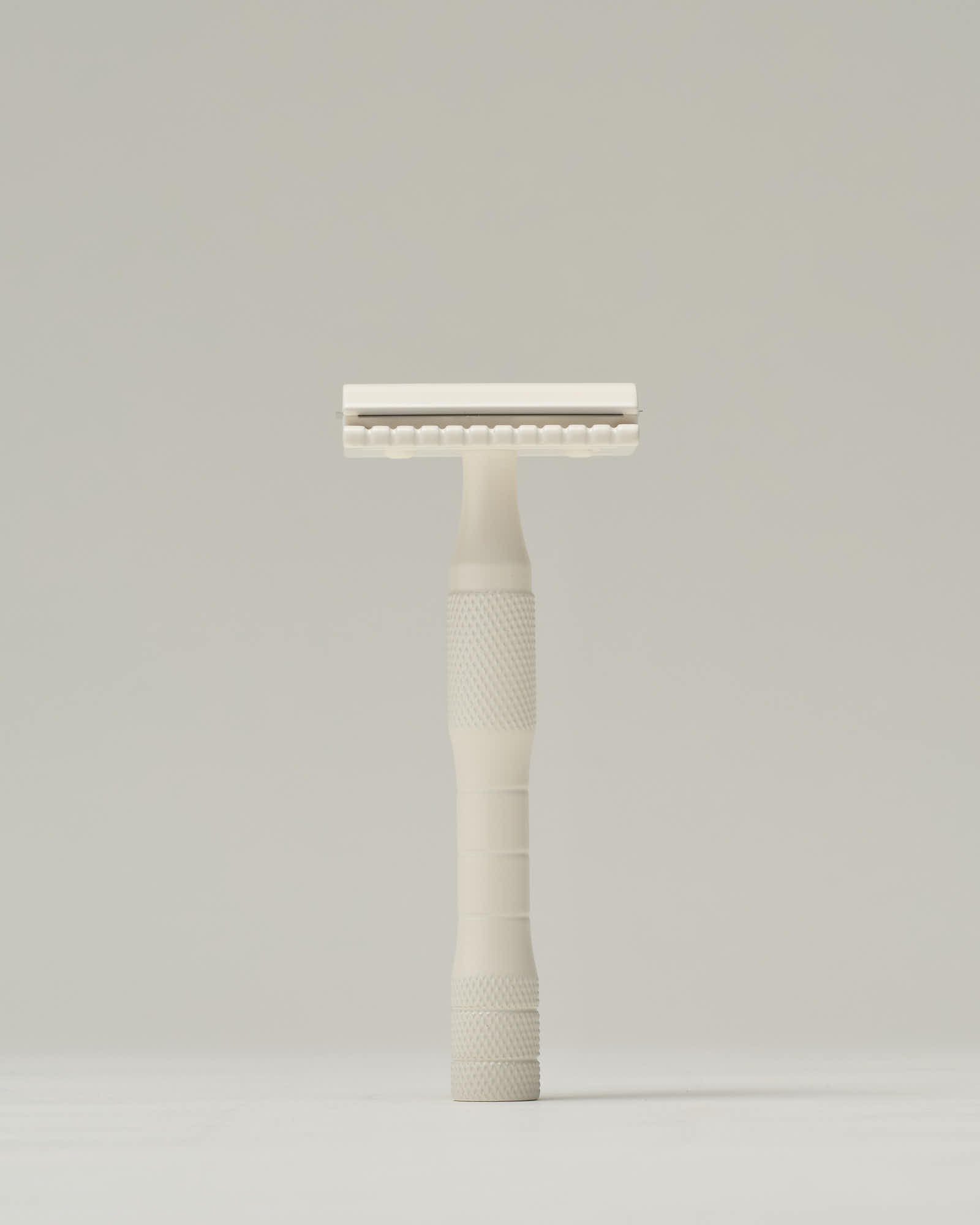
This is the actual reasoning behind a weighted, single-blade safety razor. The weight of the brass handle does the work that pressure would otherwise have to: the razor's own weight is enough to cut cleanly, so there's less reason to press. A single sharp blade cuts once, cleanly, instead of tugging through three or four passes. Neither of those fixes the grain problem. That's technique, not the tool. But they remove two of the three causes before you've changed anything about how you shave.
None of this requires new products or a longer routine. It just asks you to slow down enough to notice what your hand is doing: how much pressure, which direction, and let a well-made tool carry more of the work. That's a small shift, but it's the difference between a shave you get through and one that feels like a moment of care.
Bestsellers
Thoughtfully made products people return to
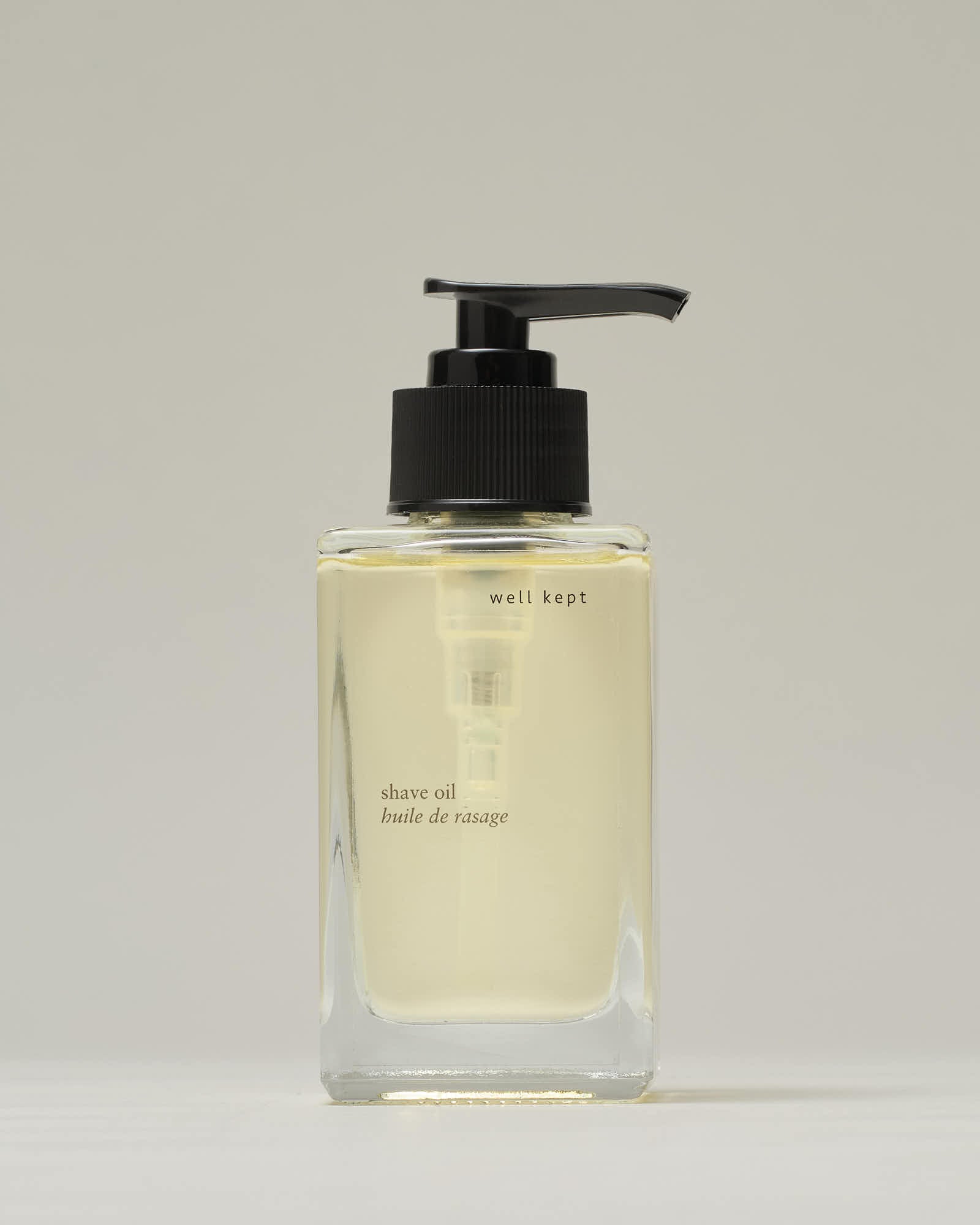
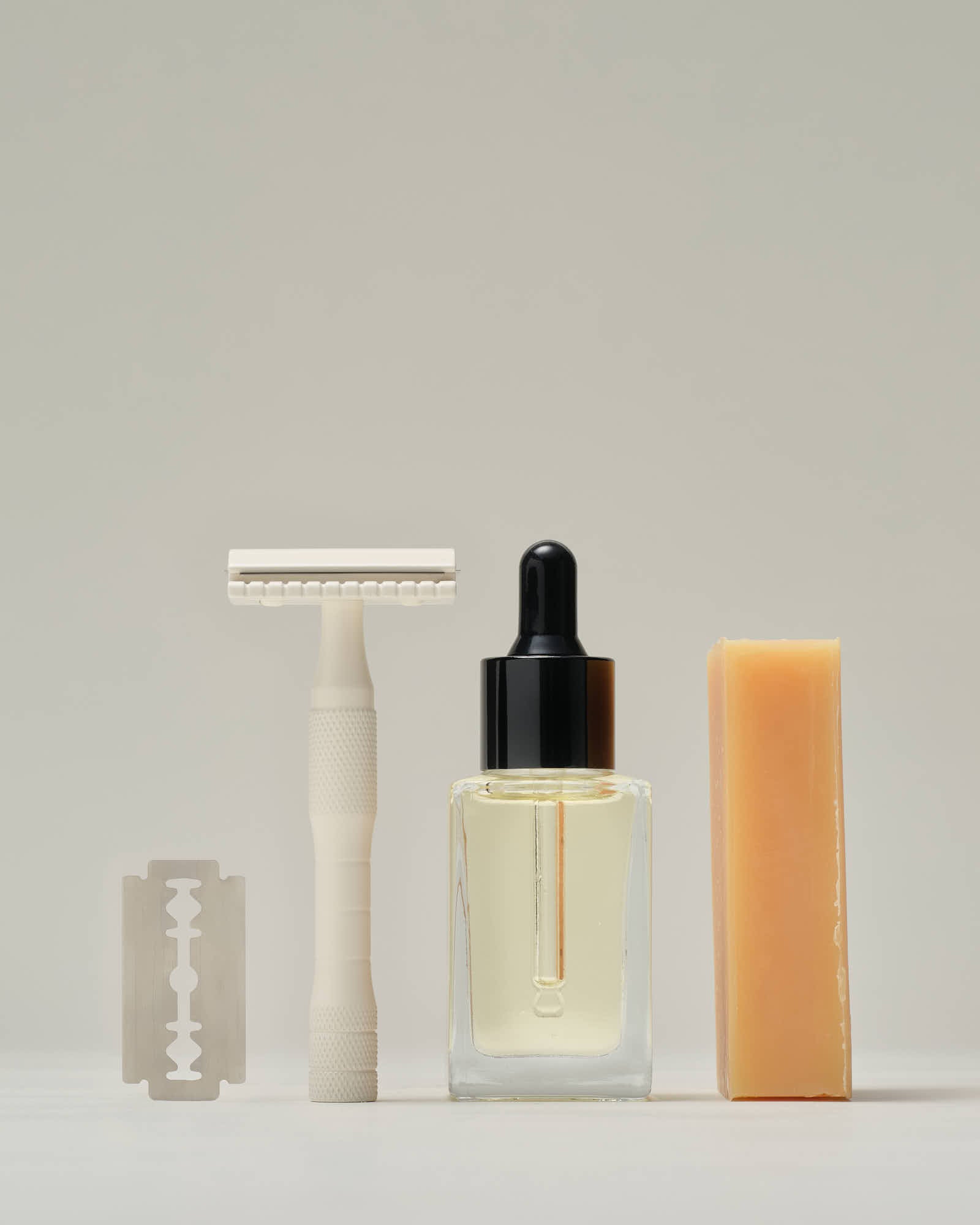
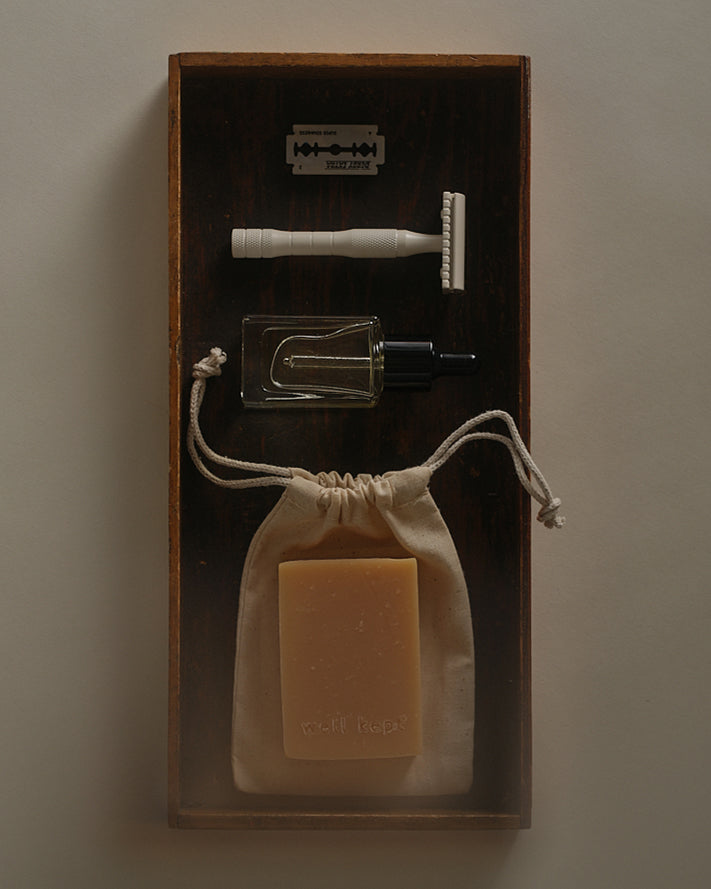
Discover your best shave. Reduce Irritation. Shaving Essentials.
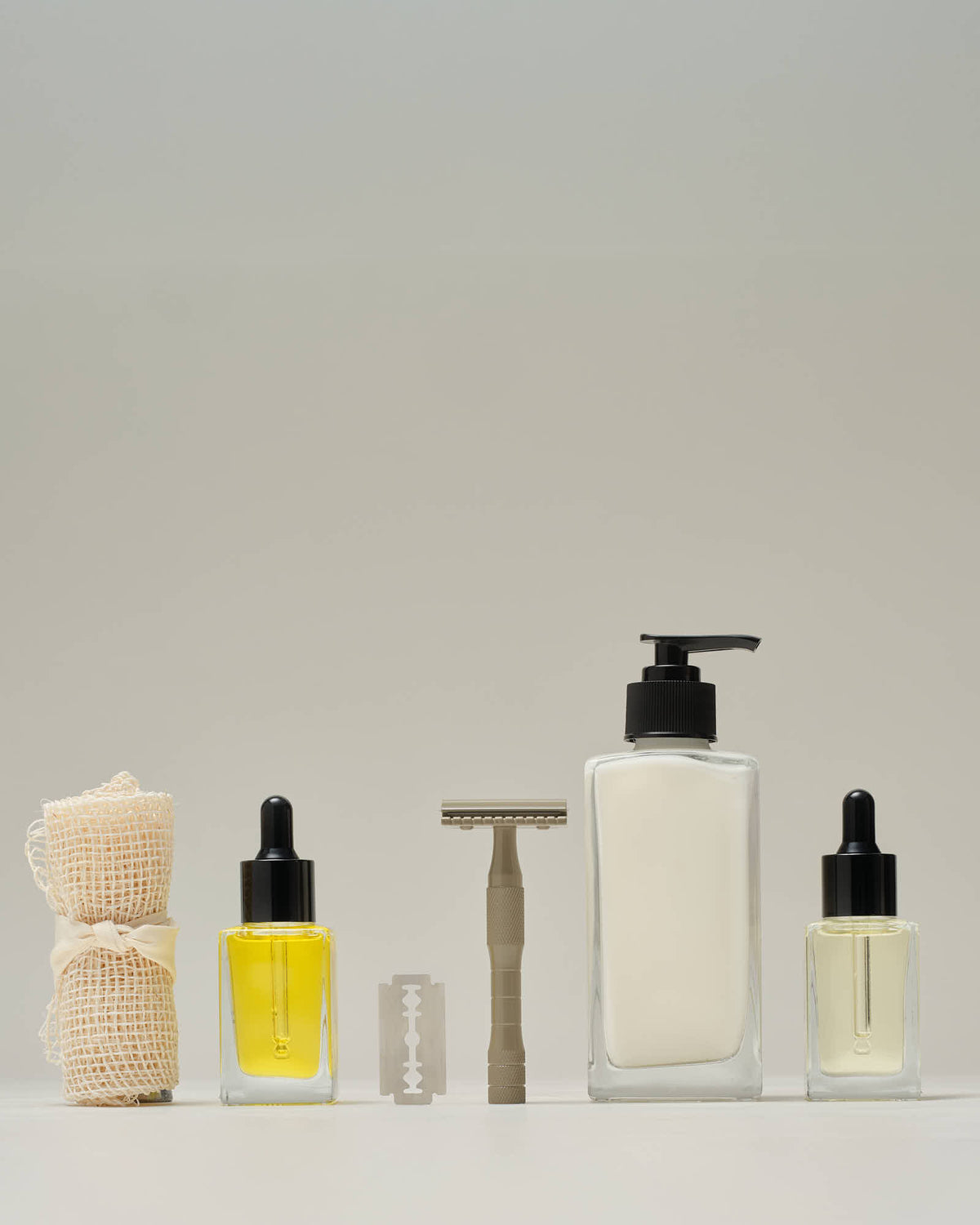
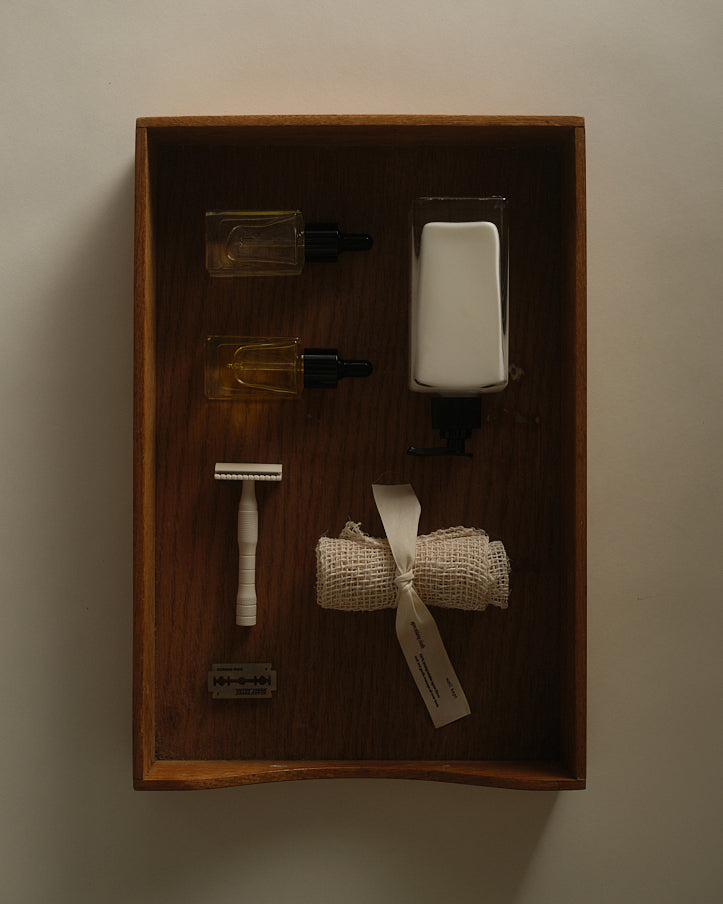
Your Best Shave. Sustainably Made. Complete Shaving Ritual.
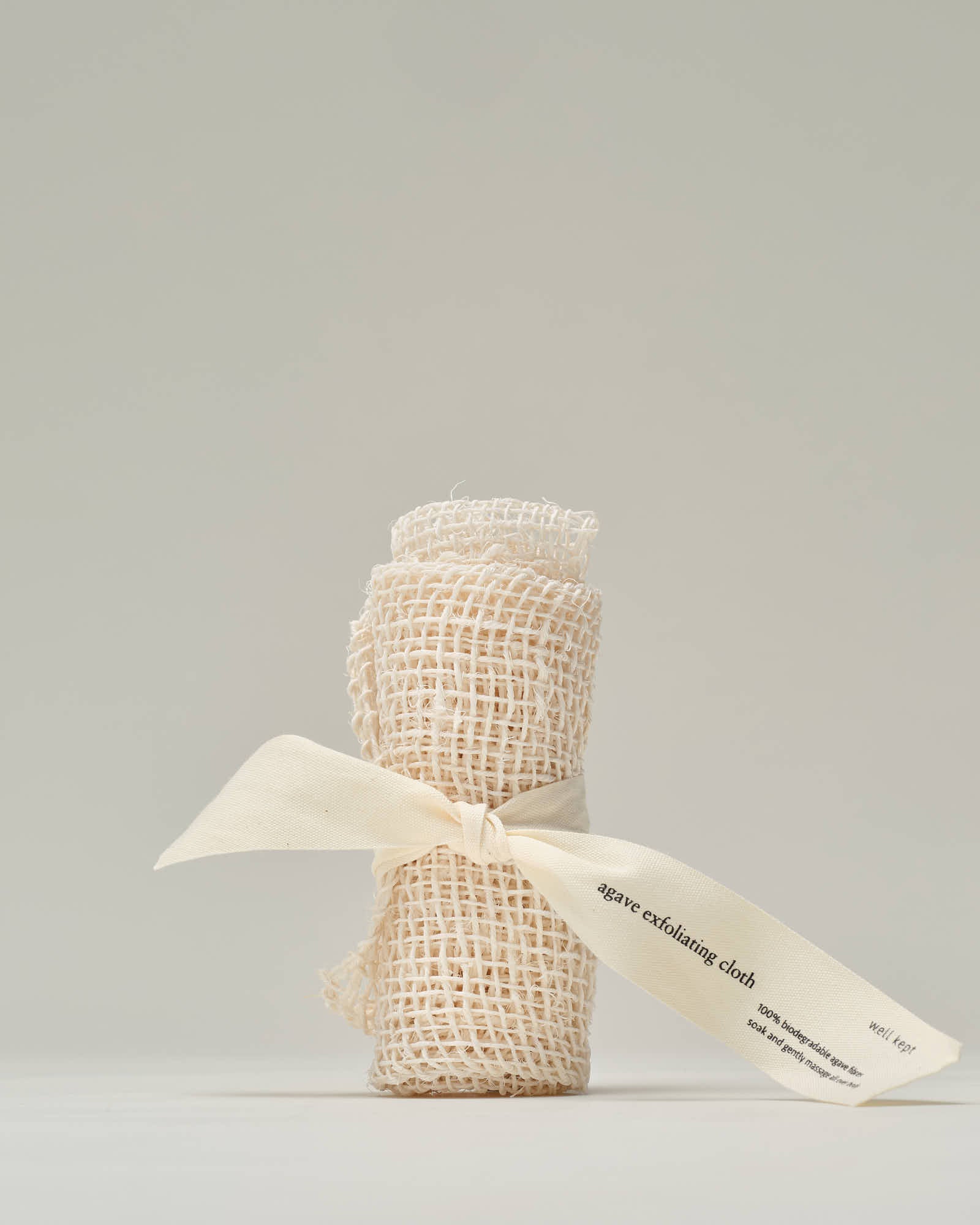
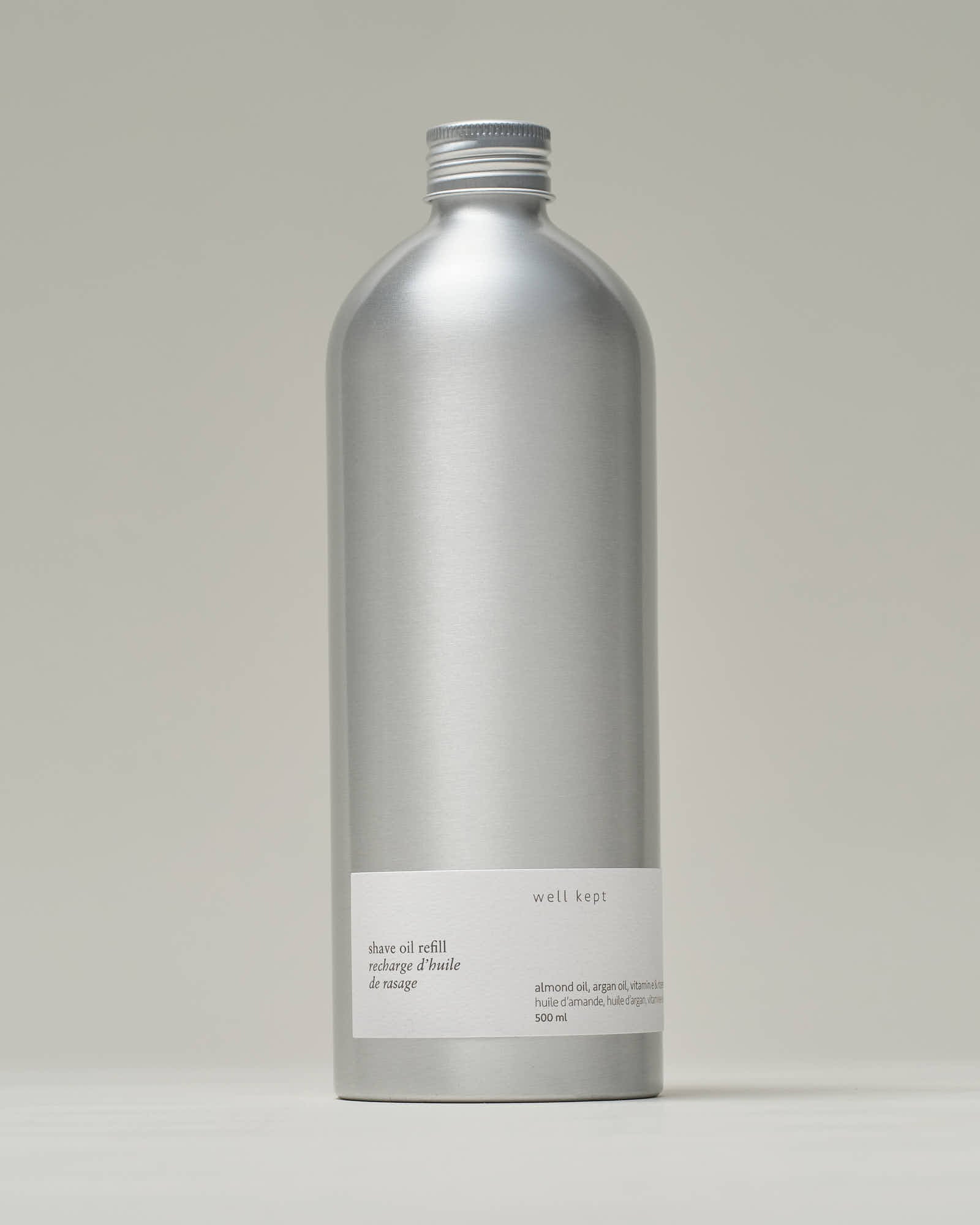


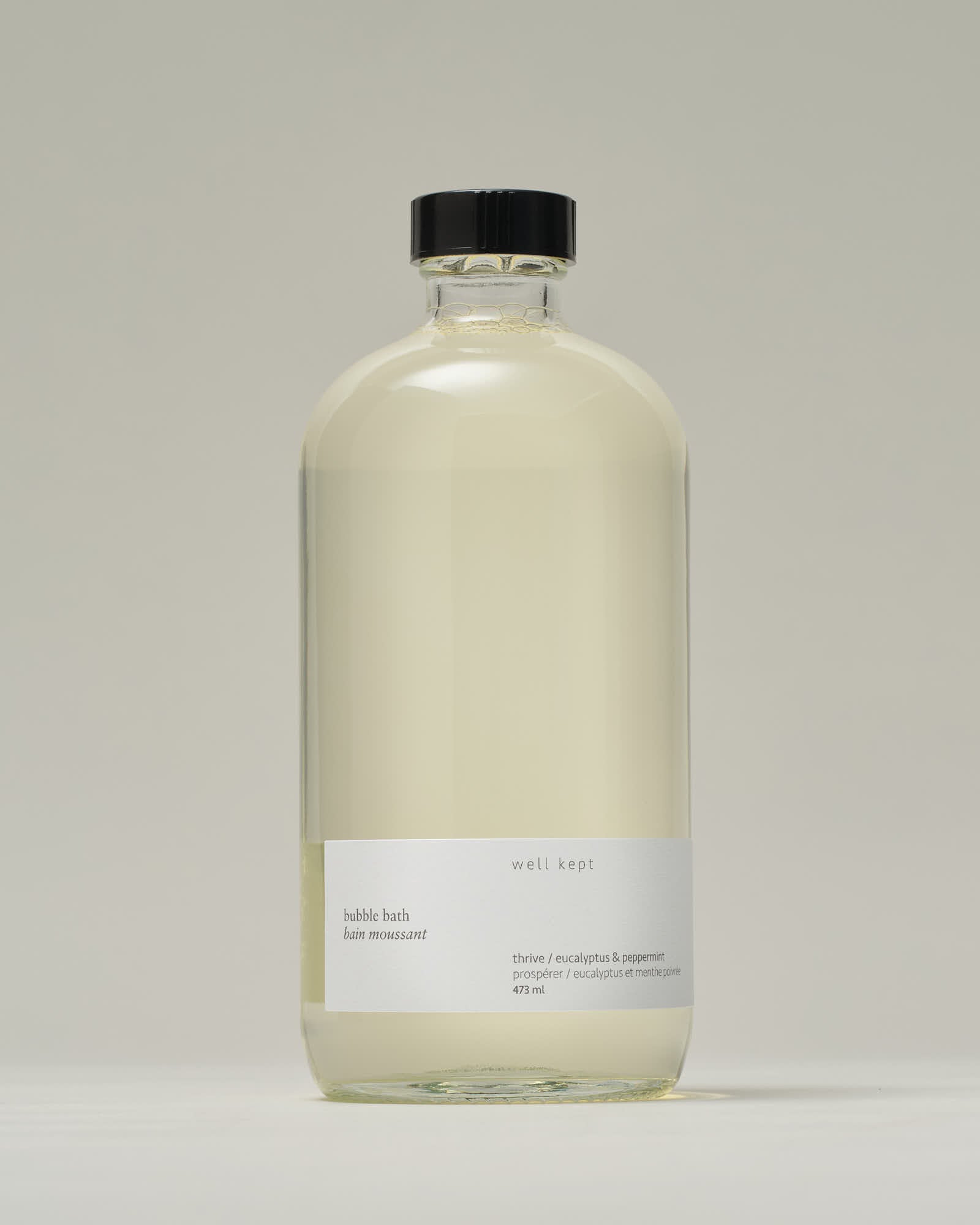
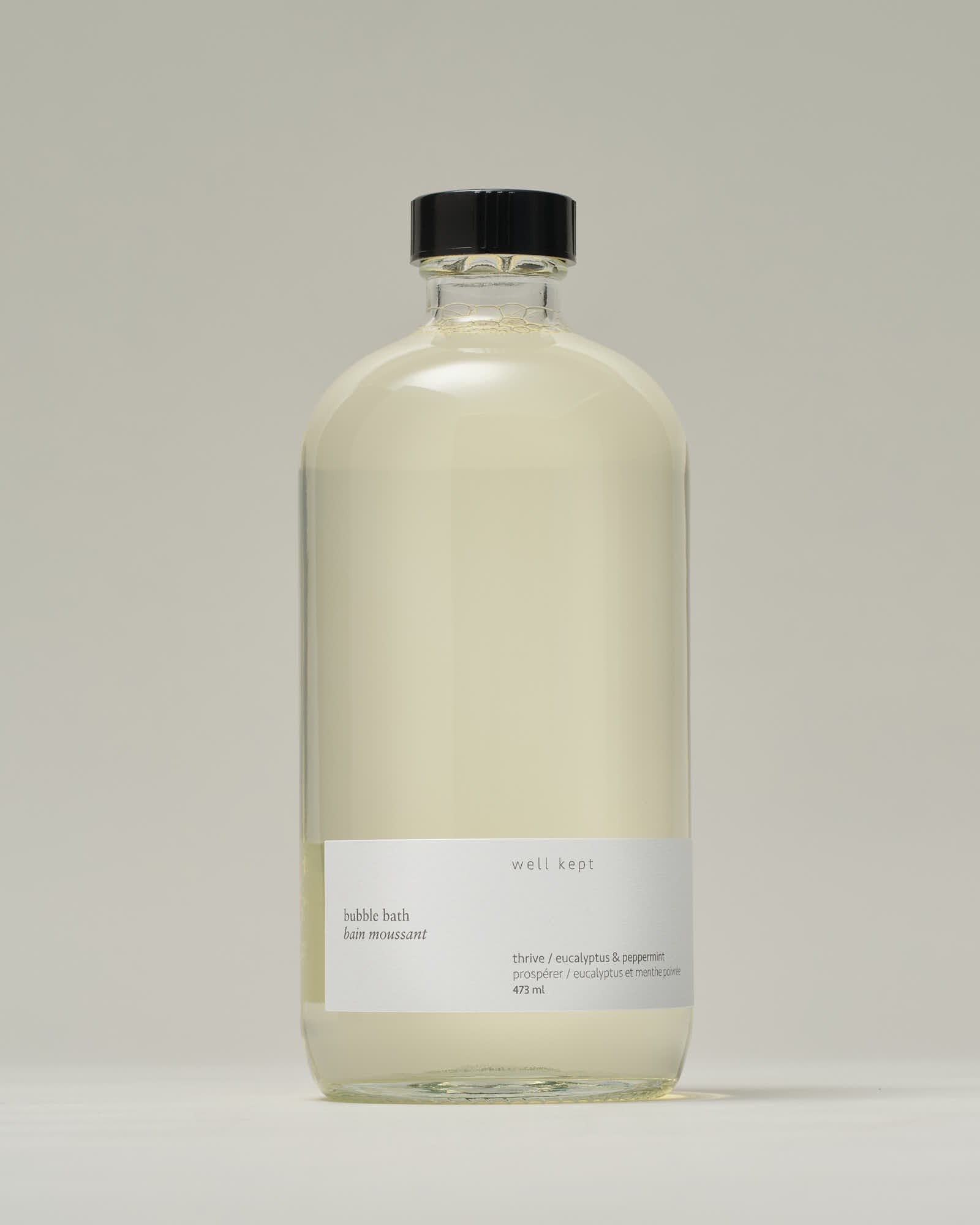

Naturally Derived. Layers of Bubbles. Gentle on Skin.