



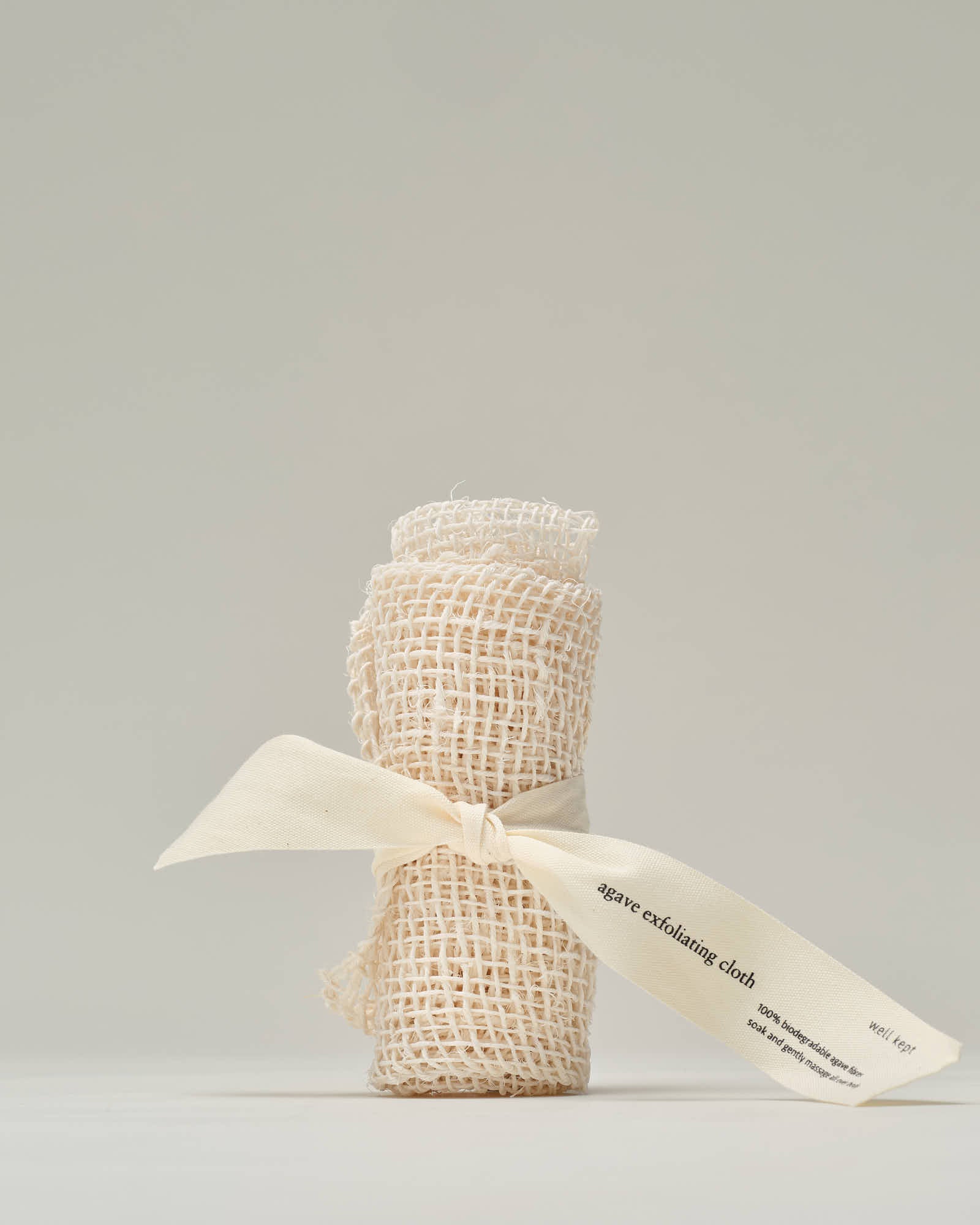
all natural exfoliating
I grew up using loofahs. There were always a few extras tucked under the sink—Costco being the reliable supplier of bright pink plastic ones. For as long as I can remember, I’ve loved that feeling of a good exfoliation: sudsing up, scrubbing away dry skin, and stepping out of the shower feeling completely refreshed.
From loofahs to agave fibre cloths
Years later, when Emilie and I began rethinking the shaving ritual and looking for more sustainable alternatives, I started testing different natural exfoliators. Nothing quite compared—until we found these agave fibre cloths. After one try, I was hooked.
How agave fibre cloths work
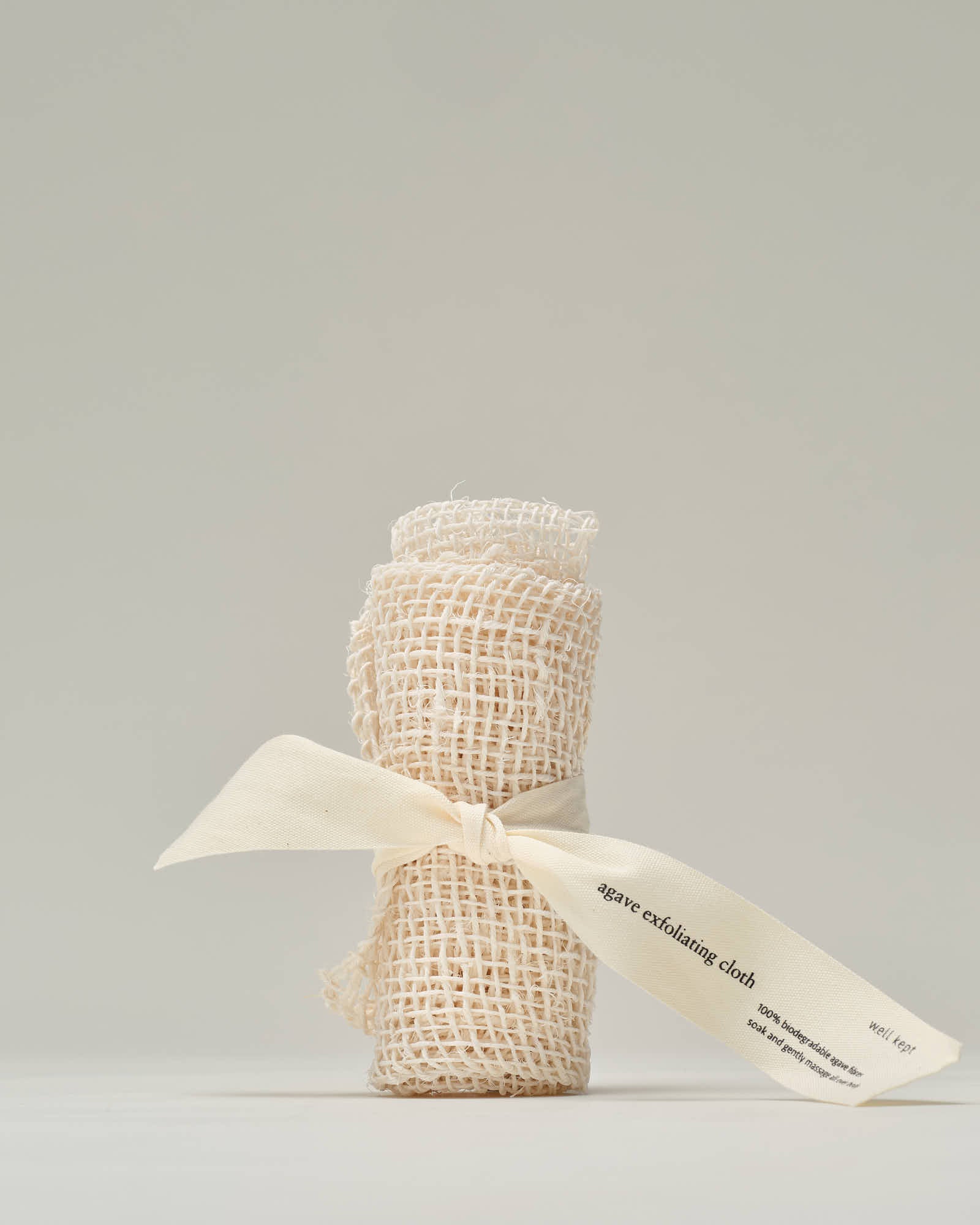
Once damp, the cloth softens in your hands—gentle enough for the face, but adaptable depending on how much pressure you use. With a bit of soap and circular motions, it creates a thorough yet comfortable exfoliation that works across the whole body.
It’s especially helpful for areas prone to ingrown hairs, heat rash, or congestion, and it fits easily into both shaving prep and everyday shower routines.
Unlike harsher scrubs or synthetic loofahs, it feels controlled—like you’re working with your skin rather than against it.
Each cloth is handmade in Mexico using natural agave fibres. They’re durable and long-lasting, and can be washed and reused over time. At the end of their life, they break down naturally—something my old plastic loofahs never could.
Crafted through a fair-trade process
What really stayed with us, though, is the story behind them.
The supplier we work with runs a fair-trade initiative called “Project Protect Our Mother Earth,” which supports over 100 women through stable employment, funds school lunch programs, and contributes to local recycling efforts. It felt important to partner with a group creating impact at both an environmental and community level.
The agave itself is grown without synthetic fertilizers or pesticides, and every part of the plant is used in the process—from food and drink to animal feed to fibre.
Each cloth is made through a slow, traditional process:
– The agave stems are cut from the plant
– They’re smoked over fire for a full day
– Then buried underground for two days
– The outer layer is rubbed away by hand
– The fibres are separated and hung to dry
– Once dry, they’re spun into yarn
– And finally, handwoven into the cloths
It’s a slower way of making things—one that feels more connected to the material, the land, and the people who make them.
And once you use one, it’s hard to go back.
If you want to know more, this video shows the full process here.
Bestsellers
Thoughtfully made products people return to

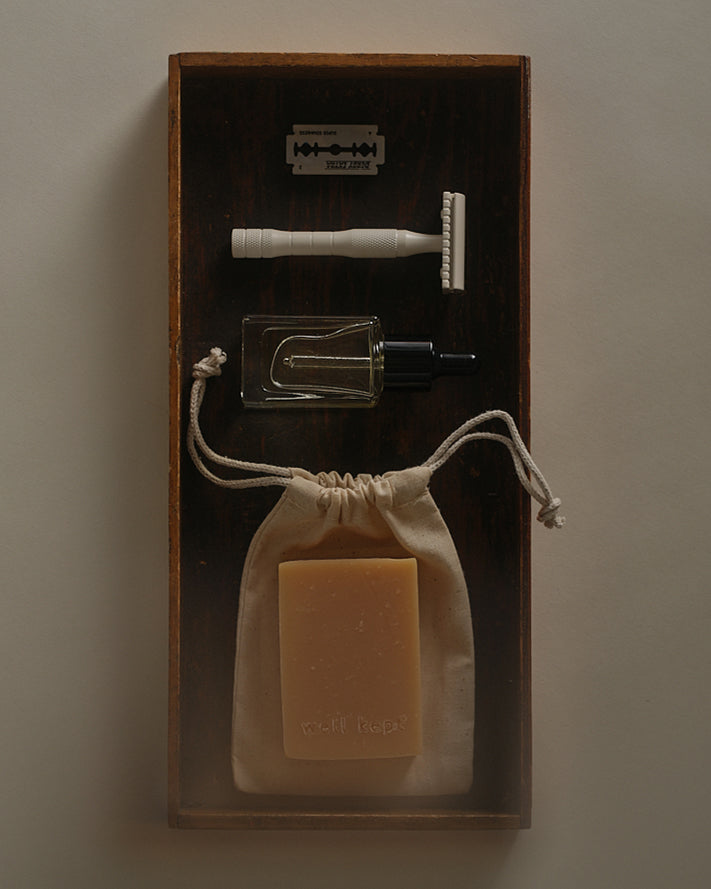
Discover your best shave. Reduce Irritation. Shaving Essentials.
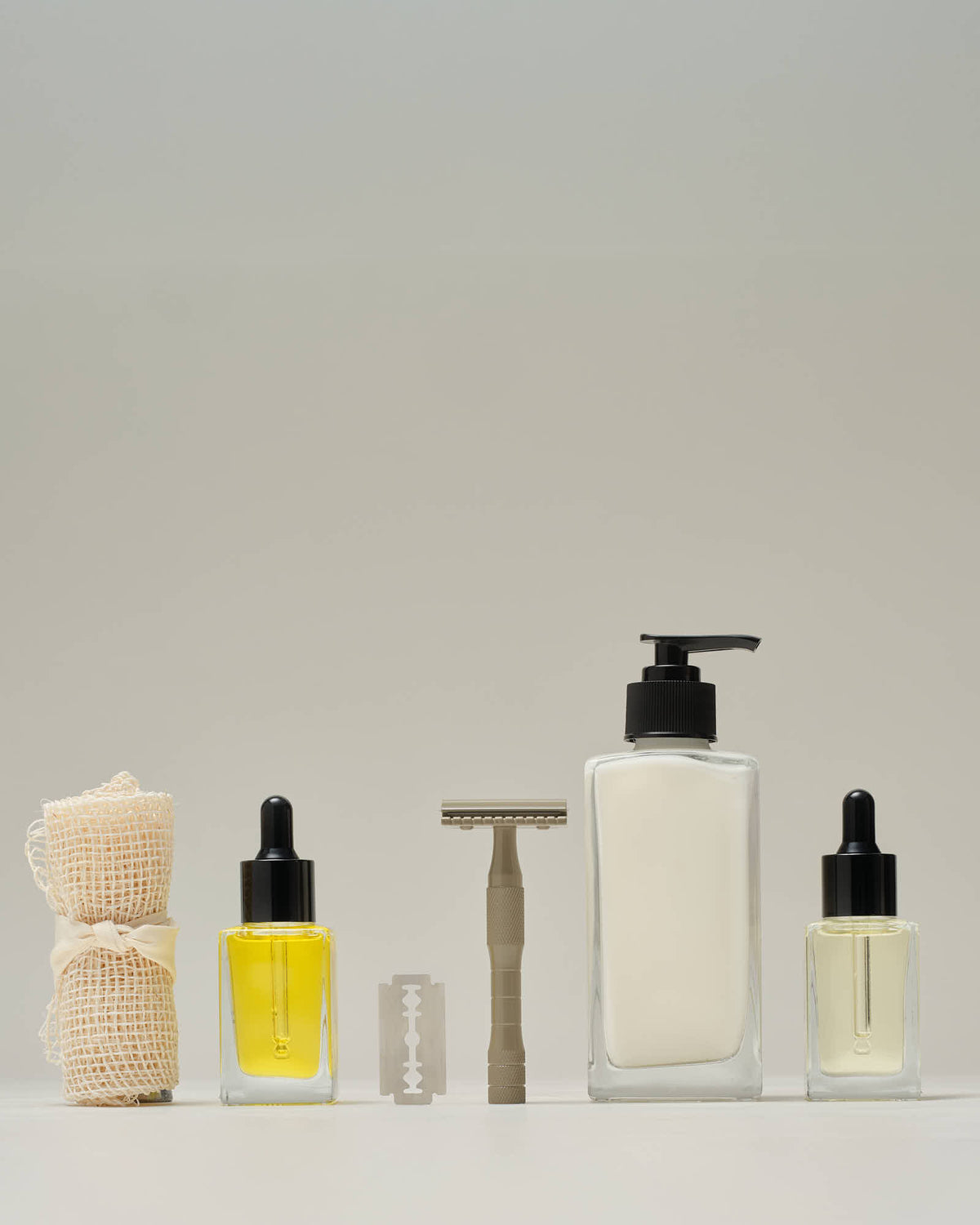
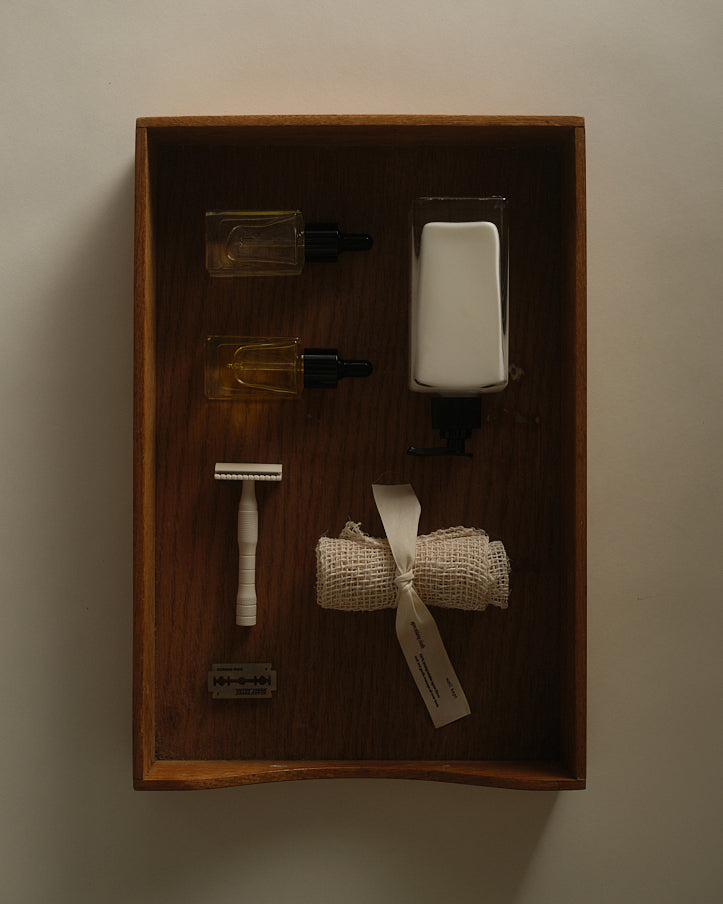
Your Best Shave. Sustainably Made. Complete Shaving Ritual.
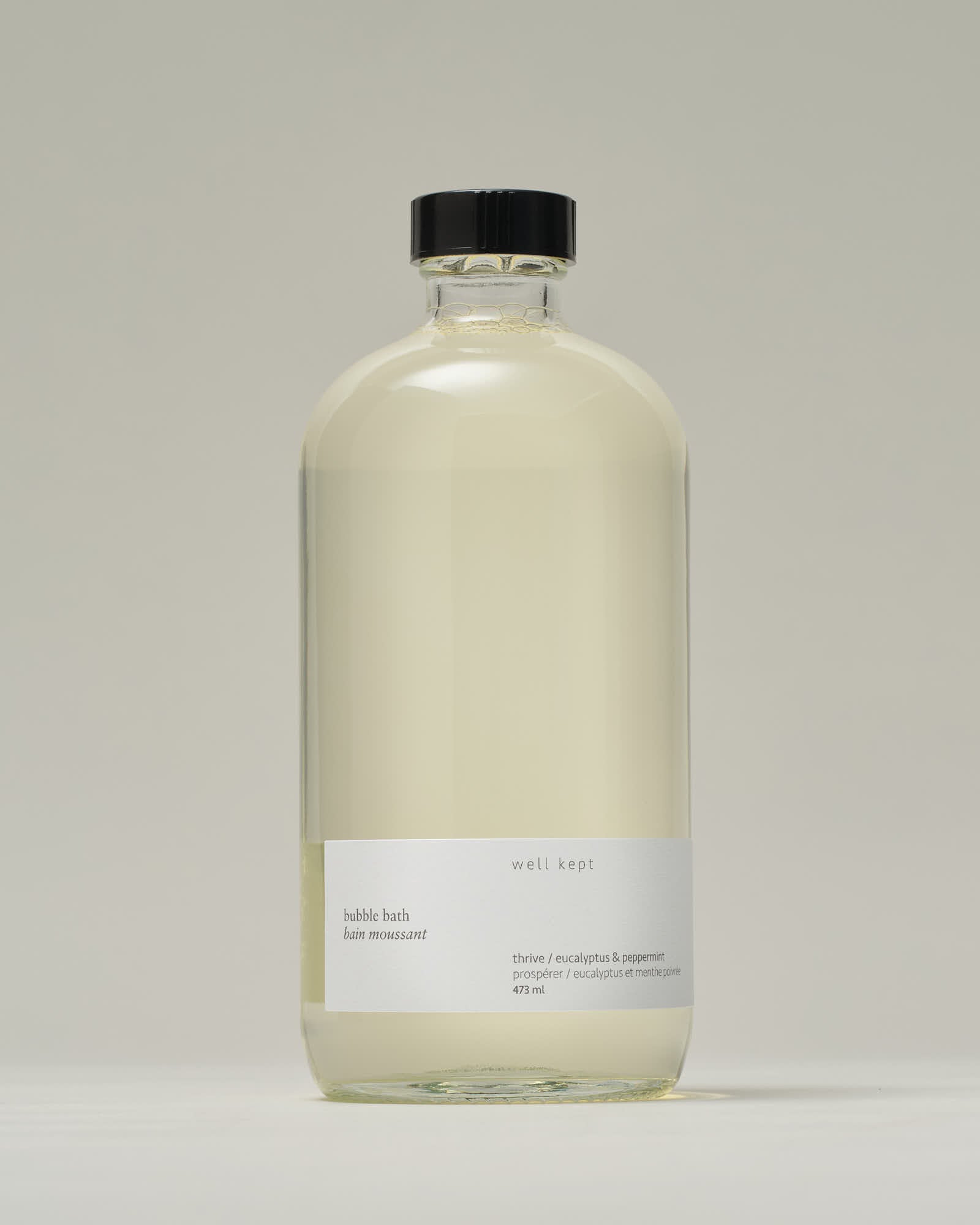
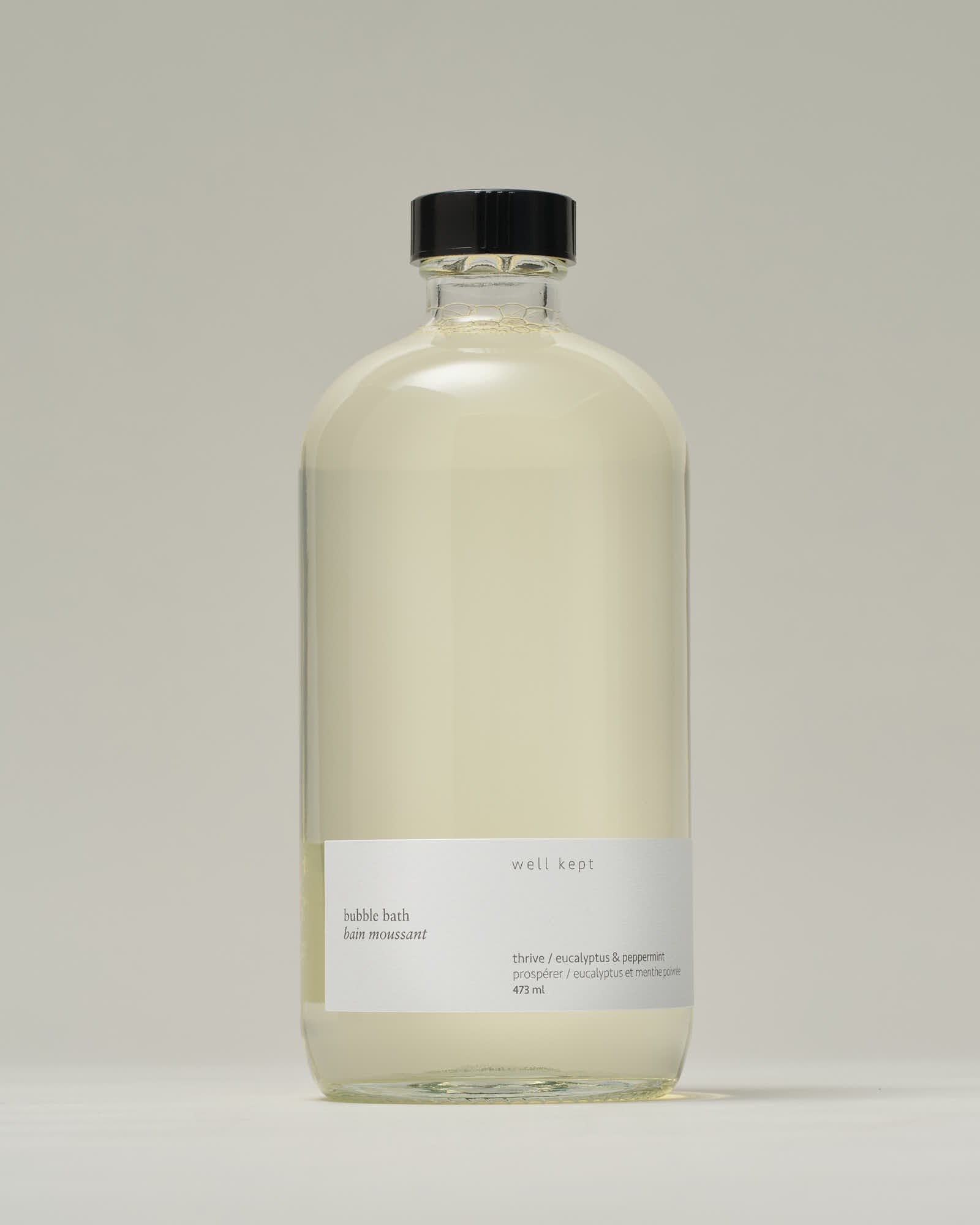

Naturally Derived. Layers of Bubbles. Gentle on Skin.